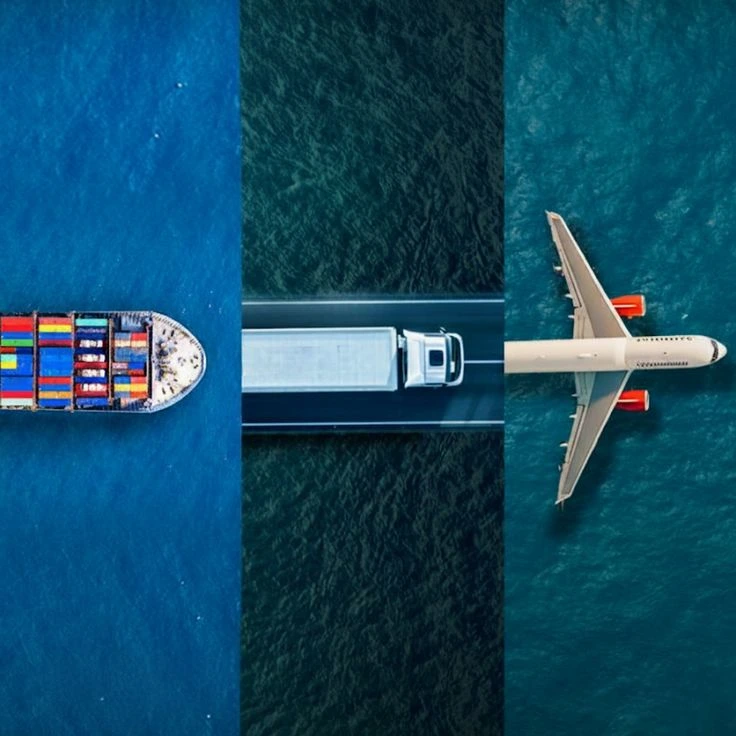
In logistics, no single method is ever the best for every load. Sometimes combining several modes of transport — for example road to the station, then rail and finally a truck to the final destination — both reduces the cost and optimizes the route. This method is called multimodal transport. In this article we examine it in detail.
What is multimodal transport?
Multimodal transport means moving a single consignment with more than one vehicle under one contract and one multimodal waybill. This method brings together the advantage of each mode: that is, the flexibility of the road for door-to-door delivery and the economy of the rail and the sea for the long parts of the route.
Note: in multimodal transport, a single operator (a forwarder or an operator) accepts the full responsibility of the chain; for this reason the management and the tracking remain simpler for you.
Advantages of the multimodal method
| Advantage | Explanation |
|---|---|
| Lower cost for a long route | using rail and sea for the main section of the route |
| Door-to-door delivery | by road at the beginning and the end |
| Geographic coverage | reaching destinations that a single mode cannot cover |
| Unified management | one waybill and one accountable operator |
Common mode combinations
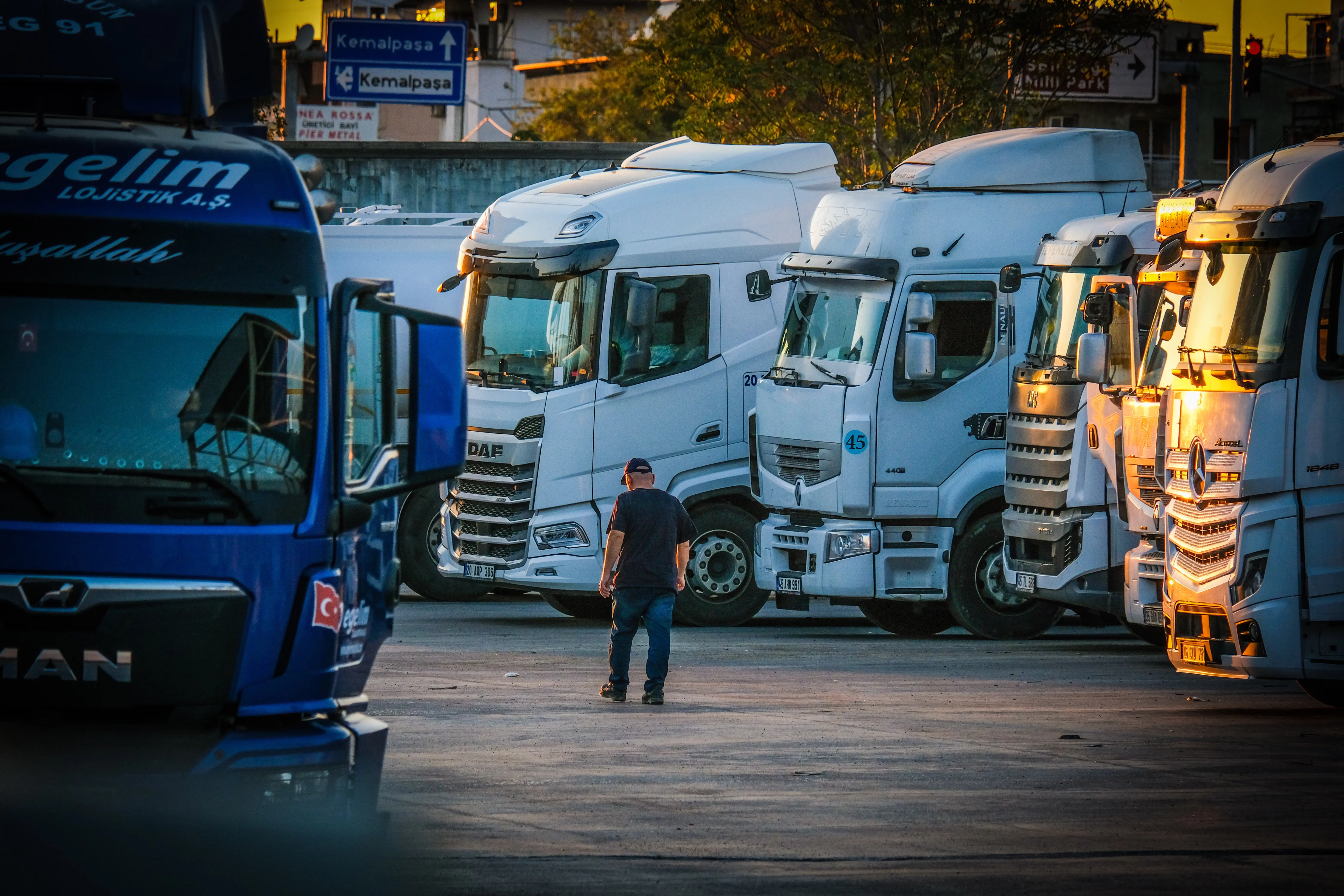
- Road + rail: from the production center to the station and then by wagon (suitable for rail freight between Iran and Turkey)
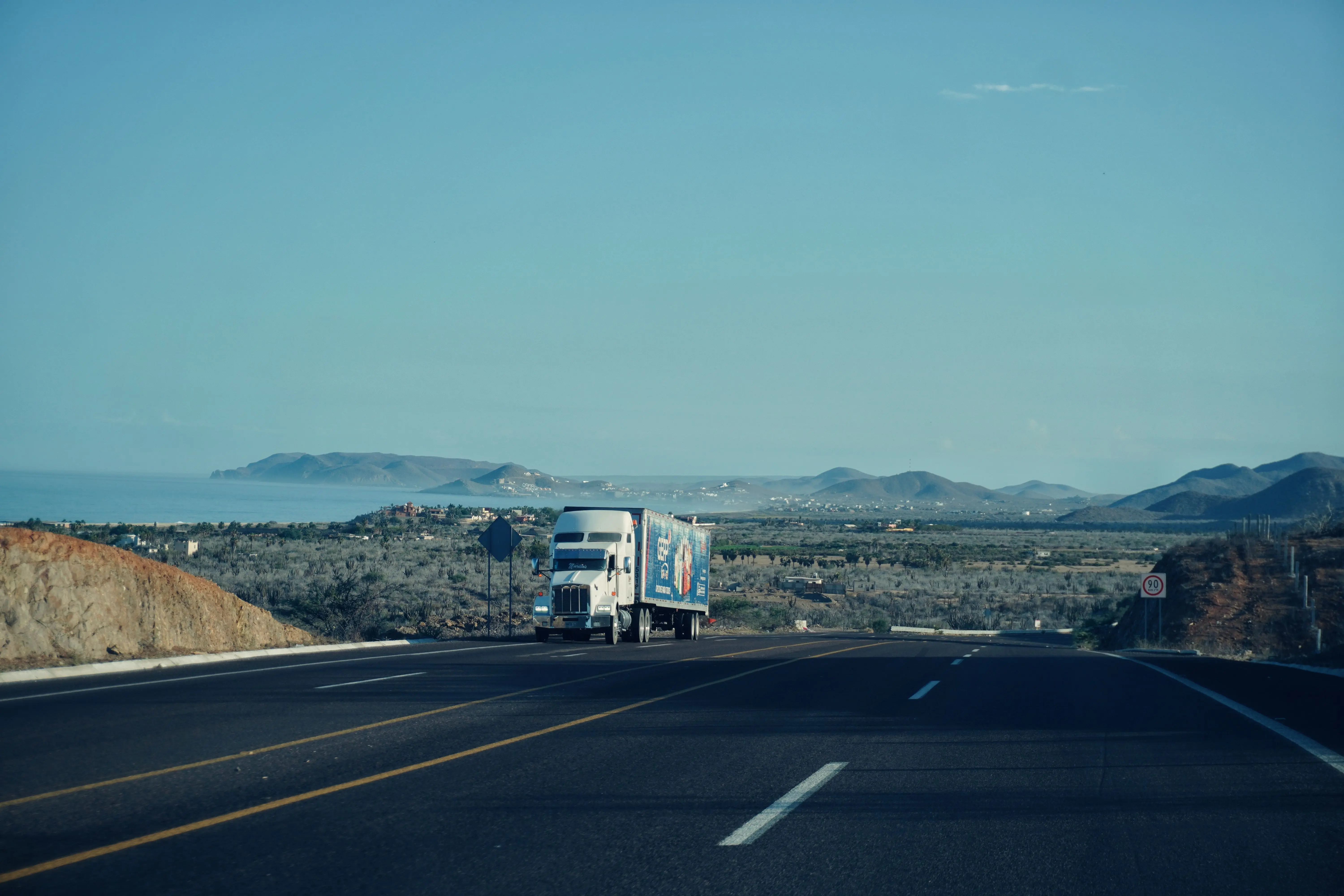
- Road + sea: combining a truck and shipping for the port
- Road + rail + road: the most widely used pattern on long continental routes
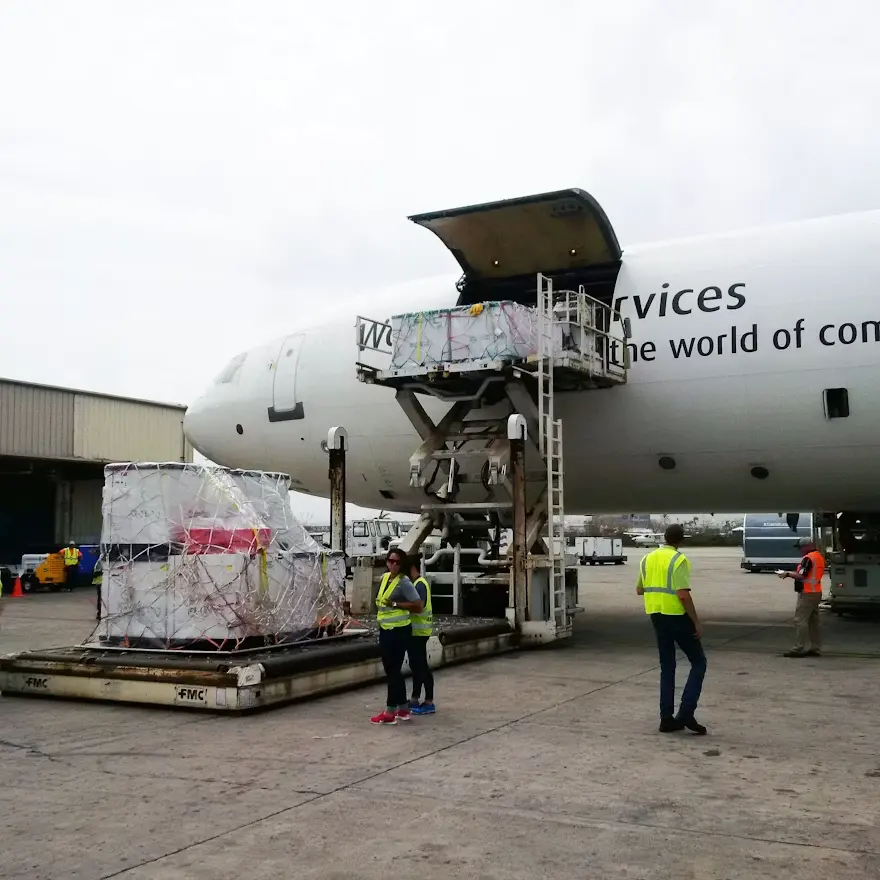
If part of the route is airborne, air freight is added to speed up the critical phase.
Errors in multimodal transport
- Inconsistent coordination: the change of the vehicle must be planned in advance, otherwise a stoppage and hidden costs arise.
- Incomplete documents: the multimodal waybill and the clearance documents must be aligned.
- An incorrect delivery term: in the contract choose the Incoterms condition suitable for the multimodal method.
When is multimodality economical?
- A long route whose middle section can be covered by rail or sea
- A bulky load whose door-to-door delivery by a single method is expensive
- When stability and predictability matter more than speed
Timing tips for multimodal transport
A few tips that make the multimodal execution smoother:
- Reserve the connecting schedules in advance: the wagon or ship capacity must be locked before the road freight arrives, so that no stoppage occurs.
- Request the multimodal waybill from the start: a single document for the whole chain both simplifies the tracking and keeps the responsibility clear.
- Secure and package for more than one vehicle: the transition between the rail and the road applies more pressure; strengthen the packaging to match the several stages of loading a truck.
- Write the delivery term clearly: in the contract specify which party is accountable for each section of the chain so that there is no gap in the purchase contract.
FAQ
Is multimodal transport expensive?
Not necessarily; on long routes, the economical rail/sea section reduces the total cost.
Who is responsible for the cargo in multimodal transport?
While the contract takes the form of a single multimodal agreement, the forwarder/organizer is responsible until the final delivery.
Which waybill is used?
A multimodal bill of lading; a single high-level document that simplifies the customs paperwork.
Am I allowed to combine rail and road across the border?
Yes, with the necessary coordination and permits; the details are in Iran’s transit.
Summary
Multimodal transport, by intelligently combining the methods, optimizes both the cost and the time and makes the door-to-door delivery possible. With an experienced forwarder who accepts the full responsibility of the chain, the management of the cargo becomes simple and predictable. The Vira Farabar Logistics team designs the best transport combination for you.