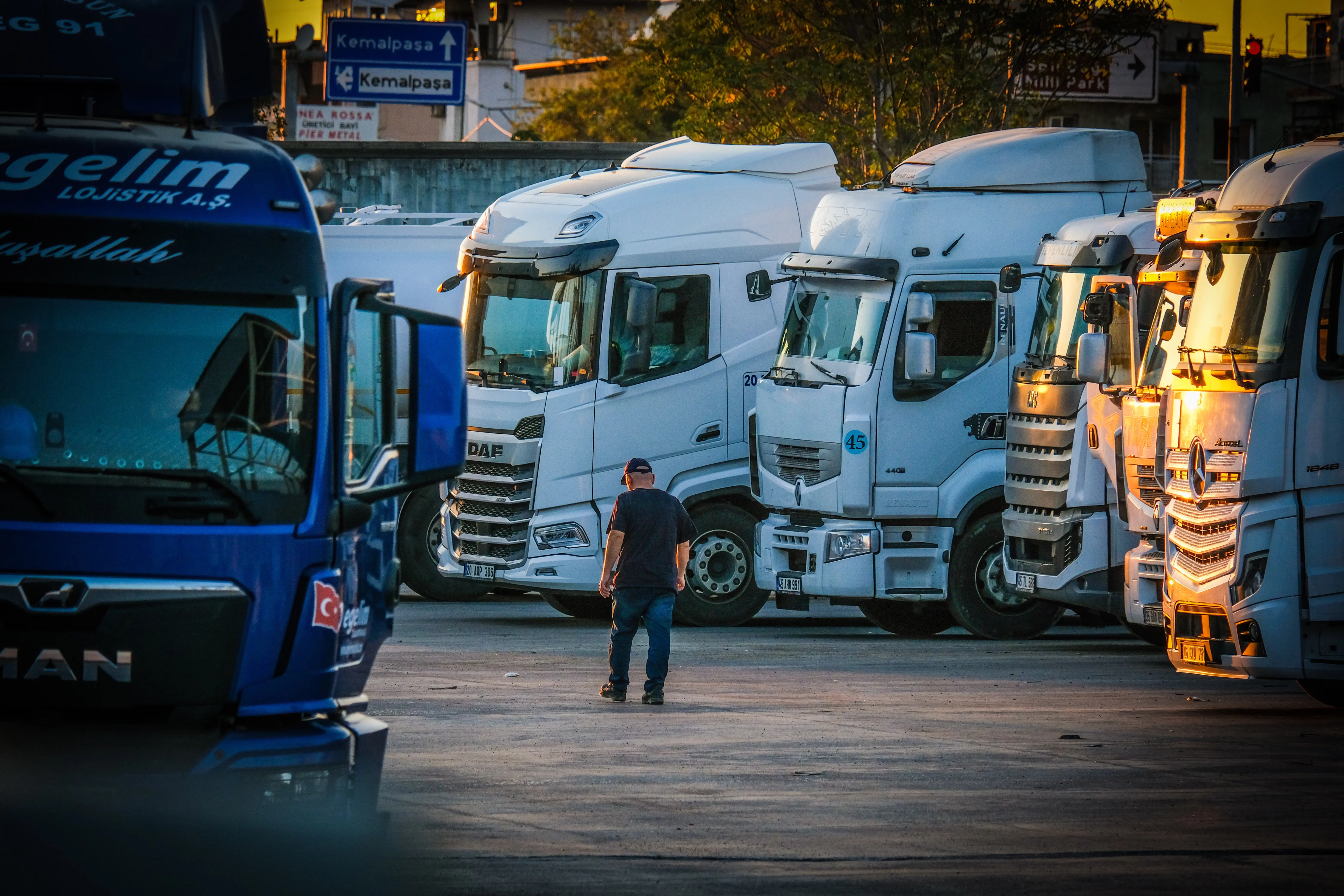

When you buy goods from Turkey or Europe, one of the first questions is: should my shipment be sent with a dedicated truck or as a shared (less-than-truckload) load? The choice between full truckload (FCL) and less-than-truckload (LCL) has a direct effect on the cost, the time and even the clearance risk. In this article we transparently compare both methods so that you make an informed choice.
What is full truckload (FCL)?
In the FCL method, the whole capacity of a truck or trailer is allocated to your shipment. The truck moves directly from the origin (for example the supplier’s warehouse in Istanbul) and carries only your goods up to your destination.
Advantages:
- More speed: without stops for collecting and unloading other goods
- Less risk: your goods are not mixed with other goods and are less vulnerable
- Better control: the loading and departure time is in your hands
- Simpler clearance: one waybill and one declaration for the whole shipment
Disadvantages:
- Higher cost for a small load: if your cargo volume is low, you pay for the empty capacity
What is less-than-truckload (LCL)?
In the LCL method (also called “shared load”), the truck capacity is divided between several different shipments and each cargo owner pays only for their share.
Advantages:
- Less cost for small shipments: suitable for the start of business and product samples
- Flexibility in volume: for shipments that do not fill the capacity of a truck
Disadvantages:
- More time: the goods must be collected and distributed at the origin and the destination
- More risk: the possibility of delay due to other goods and the increased chance of handling
- More complex clearance: the coordination of several cargo owners at the border
Comparison at a glance
| Criterion | Full truckload (FCL) | Less-than-truckload (LCL) |
|---|---|---|
| Cost for a small load | high (paying full capacity) | lower (dividing the cost) |
| Transport time | shorter and direct | longer |
| Damage risk | less | more |
| Waybill | one dedicated waybill | a shared waybill |
| Suitable for | bulky and repeated shipments | samples, small loads and the start of work |
Note: in the LCL method, the exact weight and volume are very important; the rate is calculated “per kilogram or cubic metre”. You can see a calculation example in the freight cost from Istanbul to Urmia.
When should we choose which method?
- If your shipment is more than half of the truck capacity, full truckload is almost always more economical.
- If your shipment is small or a sample and the speed is not critical, LCL is a reasonable choice.
- If you have fragile or sensitive goods that a lot of handling threatens, full truckload is safer.
- If you have a fixed delivery schedule (for example for a sales contract), full truckload is more predictable.
Costs and the affecting factors
The main factors determining the cost of both methods:
- Actual weight and volume (volumetric weight)
- The route and the chosen border (comparison in Urmia or Bazargan customs)
- The type of truck (refrigerated, flatbed, curtain side)
- The completeness of the documents and the clearance speed
Check the hidden costs of both methods in the hidden costs of customs clearance so that you compare the waybills correctly.
FAQ
From what volume is full truckload economical?
A rough rule: if your load fills about 70% or more of the truck capacity, full truckload is usually more economical than several LCL loads.
Can a full truckload be divided between several destinations?
In the full truckload method, the truck usually moves to one main destination; for several destinations, a load combination is done with planning.
For which goods is LCL not suitable?
Sensitive, perishable and very fragile goods have more risk in LCL; unless a standard slot is reserved.
Summary
The choice between FCL and LCL depends on the volume, the sensitivity and the schedule of your goods. By knowing the exact weight and dimensions of the load and comparing a transparent waybill, you can choose the right method. The Vira Farabar Logistics experts suggest the best and most economical transport method to you based on the specifications of the goods.