
Where is my cargo now? A question every trader asks. Visibility in transport has a direct effect on informing the customer, planning the clearance and preventing a stop. In this article you learn how and where to track a shipment and what you should ask from the forwarder.
Why is shipment tracking important?
- Timely clearance planning: know when the cargo reaches the border so you can prepare the declaration
- Reducing disruption: see the stop sooner and act
- Informing the customer: raise the trust and satisfaction
Note: good tracking prevents the hidden costs of clearance and the financial surprises.
Ways to track the shipment
| Method | Speed | Information | Suitable for |
|---|---|---|---|
| Contact with the forwarder | medium | overall status | periodic checks |
| The portal/system of the forwarder | high | live | full visibility |
| CMR/Container tracking | good | location and status | land/sea transport |
| Online tracking systems | depends on the fleet | position | complementary |
What information should you ask from the forwarder?
A professional forwarder must provide the following:
- The waybill and the shipment number (for example CMR)
- Periodic reporting of the cargo status
- An active notification of a delay or discrepancy
- The exit document from the border after clearance
To choose correctly, evaluate a reliable forwarder.
Container and CMR tracking
- Container: tracking with the container number and the destination (for full / less-than-truck).
- CMR: shows the progress of the road shipment; part of the forwarder’s reporting.
Technology has made tracking more accurate; details in the logistics technology trends.
Managing a disruption while tracking
The sooner you see a disruption, the simpler the solution is:
- In case of a stop, immediately coordinate with the forwarder
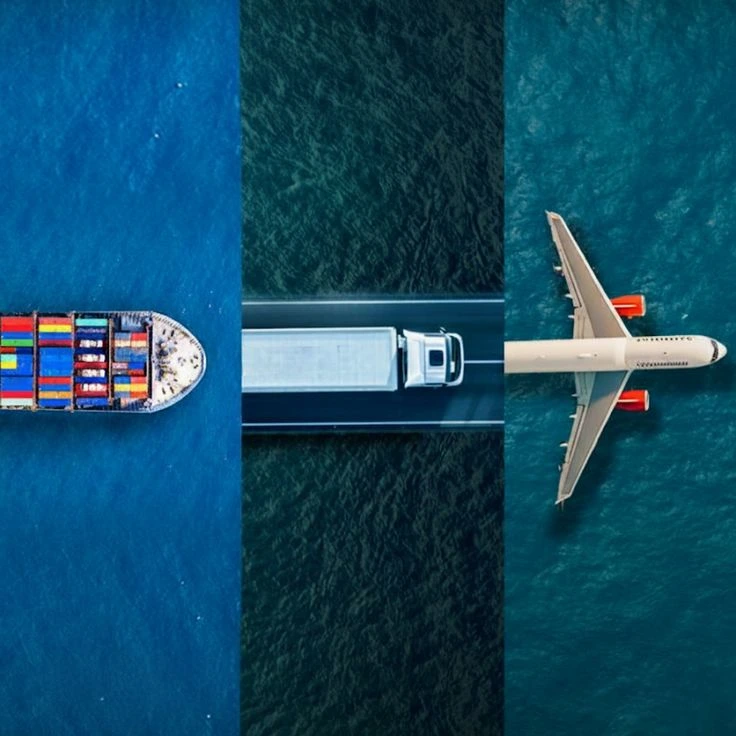
- On a long route, using combined transport reduces the disruption
- Timely documentation simplifies the cargo insurance process
FAQ
How often should I check the cargo status?
For sensitive consignments, daily; for normal ones, at the key points (exit, border, clearance).
Is live tracking available for all shipments?
It depends on the forwarder and the fleet; receive this service from the beginning.
What documents do I need for tracking?
The waybill number, the shipment number or the container number.
Does tracking prevent a stop at the border?
On its own no, but with the timely planning of the clearance it reduces the stop.
Checklist for following the shipment
- Receive the waybill number, the shipment number or the container number from the forwarder
- Specify the tracking method (portal, contact or system) and the reporting interval
- Prepare the customs declaration before the cargo reaches the border
- In case of a stop, immediately coordinate with the forwarder
- Document any discrepancy or delay so that the cargo insurance process becomes simpler
Summary
The visibility and tracking of the shipment raise your planning power and reduce the disruption. With a forwarder that has regular reporting, you have full control of your cargo from the inquiry to the delivery. The Vira Farabar Logistics team provides clear reporting of the status of your shipment.