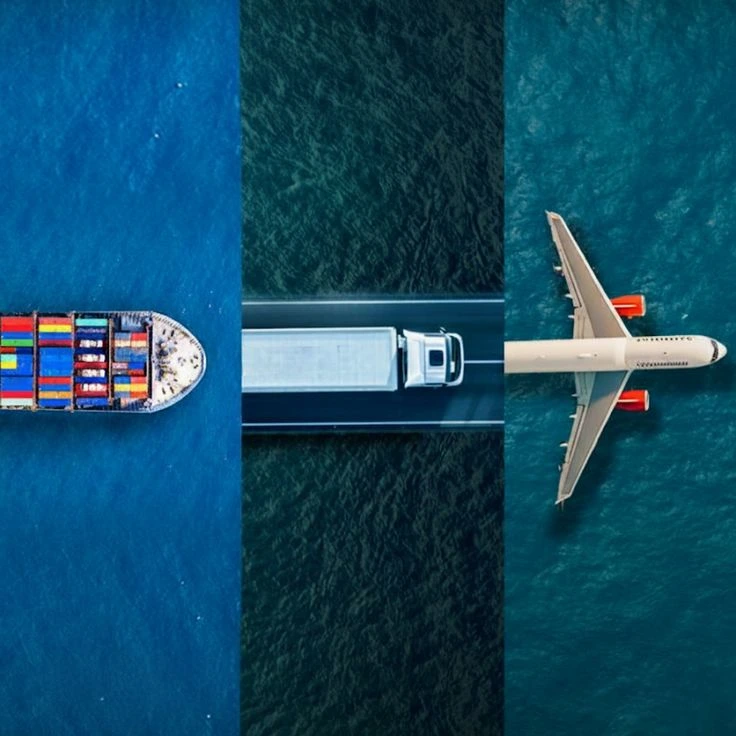

An international shipment, on its route, faces many risks: accident, fire, theft, weather conditions and even human error. Cargo insurance transfers these risks from your pocket to the insurance company. But not all insurance is the same; the coverage, the exclusions and the insured value differ in every contract. In this article we explain freight insurance from the basics to choosing the right coverage.
Why is cargo insurance necessary?
In international trade, the risk responsibility for the goods moves between the seller and the buyer. The delivery condition of the contract (Incoterms) determines who must provide the insurance; but in any case, without insurance, a single accident can destroy the whole profit of a shipment. If you are not familiar with the delivery rules, see the 2020 Incoterms guide.
Important note: under the CIF or CIP delivery condition, the seller is required to insure; in conditions such as EXW or FOB, the insurance responsibility is usually with the buyer. Be sure to specify in the contract who pays for the insurance.
Types of cargo coverage
Cargo coverage is usually offered at several levels:
| Type of cover | Risks covered | Suitable for |
|---|---|---|
| Basic cover (FP) | total loss, a major accident | low-risk and cheap goods |
| Average cover (WA) | total loss + partial caused by an accident | general goods |
| All Risks cover | all the risks except the exclusions of the contract | sensitive and expensive goods |
How is the sum insured calculated?
The insured value is usually based on the value of the goods at the destination; that is the CIF value plus the expected profit margin (often 10%). If you declare a lower value than the real one, at the time of the loss only its proportionate part is paid.
Simple formula:
insured value = CIF value of the goods + expected profit percentageHow is the premium calculated?
The premium depends on the following factors:
- Type of the goods: fragile, liquid or expensive goods have a higher risk
- The transport route and the type of vehicle: long and high-risk routes have a higher rate
- Packaging: standard packaging reduces the risk (requirements in export packaging)
- The claim record and the season of the movement
Note: the shipment premium is part of the landed cost of the goods; so be sure to include it in the final price calculation, not after the accident happens.
The stages of getting cargo insurance
- Sending the cargo information: the type of the goods, weight, dimensions, origin and destination, value and the method of transport
- Receiving the insurance pro-forma: reviewing the cover and the exclusions before confirming
- Paying the premium and issuing the certificate: the insurance certificate is attached to the transport documents (such as CMR)
- Notification of claim in case of an accident: immediate documentation and notification to the insurer within the contractual deadline
Important tips at the time of the claim
- Immediate documentation: collect the photos, the report of the transport agent and the documents
- Notification within the deadline: a delay in notifying the claim may destroy the cover
- Coordination with the insurance expert: avoid inspecting before the repair or the sale of the damaged goods
- Keep the transport documents: the waybill and the invoice are vital for determining the value of the claim
Warning: declaring a lower value than the real one to reduce the premium leads to an incomplete payment at the time of the claim and can create a discrepancy in clearing the goods; declare the CIF value plus the profit margin.
FAQ
Do we also have land freight insurance?
Yes, cargo insurance is issued for international land transport too and is common on the Iran–Turkey route.
Is having only a CMR waybill enough?
No. CMR is a transport document and does not provide complete insurance cover for all the risks of the goods; cargo insurance complements it.
Should I insure the invoice value or the CIF value?
It is better to insure the CIF value plus the profit margin so that, in the case of a loss, the whole capital is not lost.
Can I take out the cargo insurance myself?
Yes, but for choosing the right cover and the suitable rate, coordination with a transport expert who knows the insurance market is recommended.
Summary
Cargo insurance is the cheapest way to protect your commercial capital on an international route. By choosing the right cover, declaring the correct value and documenting correctly, you can be at ease about the risks of the route. The Vira Farabar Logistics experts coordinate your shipment insurance and check the insured value before the movement.