
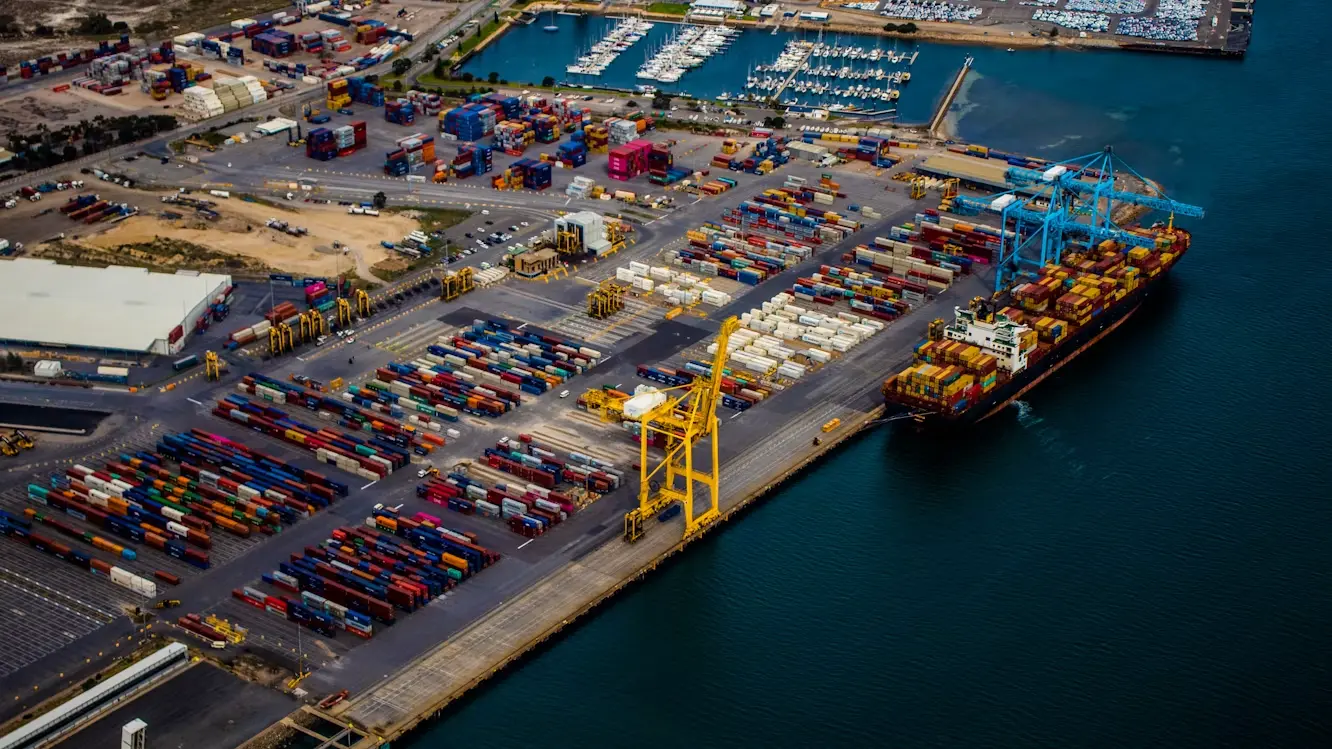
The officials of the Trans-Caspian International Transport Route (TITR) have announced that the container traffic of this route may double in 2026. This optimistic forecast indicates the rapid growth of the Middle Corridor and the change of the transport map of the region.
Executive summary: the TITR may double the container traffic in 2026; a combined route (rail, sea, road). This growth is both competition and an opportunity for cooperation and a complementary access to China and Central Asia for Iran.
What is the TITR route?
The Trans-Caspian International Transport Route is the same Middle Corridor that connects China through Kazakhstan, the Caspian Sea, Azerbaijan and Georgia to Turkey and Europe. The containers on this route cover a combination of rail, sea and road transport.
The forecast of the doubling
According to the reports (April 2026), the TITR officials expect the container traffic in 2026 to double compared to the previous year. The factors that support this forecast:
- The growth of the demand for an alternative route: the growing boom of the Middle Corridor (the record of 110 thousand TEU in the first quarter)
- Investment in capacity: the development of the ports, the rail lines and the loading terminals
- The improvement of the transit time: the reduction of the time to about 18 to 23 days
What is the connection with Iran?
Competition and opportunity
The growth of the TITR means more competition with the routes passing through Iran; but at the same time, it is an opportunity for cooperation:
- Iran can use the capacity of the southern ports and the north–south corridor to connect to this route (the transit corridors of Iran)
- Iranian traders gain a complementary access to the market of China and Central Asia
For the Iranian trader
If you import goods from China or export to Europe, knowing the Middle Corridor gives you better options (combined transport and the landed cost calculation).
Practical points
- Compare the route with your goods: container, time-consuming and multi-country; suitable for valuable and container goods
- Take the full insurance: the passage through several countries and several vehicles needs a multi-stage insurance (the cargo insurance guide)
- Align with a forwarder with a network on the route: the rail and sea scheduling is the skill of a specialized forwarder (the forwarder selection guide)
FAQ
Where does the TITR route pass?
China, Kazakhstan, the Caspian Sea, Azerbaijan, Georgia and then Turkey or Europe.
Why does the TITR container traffic double?
Because of the growth of the demand for an alternative route, the investment in the infrastructure and the improvement of the transit time.
Is this growth a threat to Iran?
It is a competition, but there is also the opportunity of cooperation and the use of complementary capacities.
Which goods are suitable for this route?
Containers and the goods for which an average transport time is acceptable.
Summary
The forecast of the doubling of the TITR container traffic in 2026 is a sign of the maturity of the Middle Corridor. The Iranian trader, by knowing this route and comparing it with the existing options, can make the best choice for his goods. Vira Farabar Logistics in Urmia is ready to cooperate for the comparison of the routes and the transport planning; contact us.