Because of its geographical position, Iran is a connecting bridge between the Middle East, Central Asia, the Caucasus and Europe. Iran’s land transit corridors are not just the route for moving domestic goods; they are the artery of regional trade. In this article we examine the role of the land corridors and their effect on international transport.
Iran’s main land corridors
1. The Turkey–Iran corridor (the route to Europe)
It is Iran’s busiest western trade corridor:
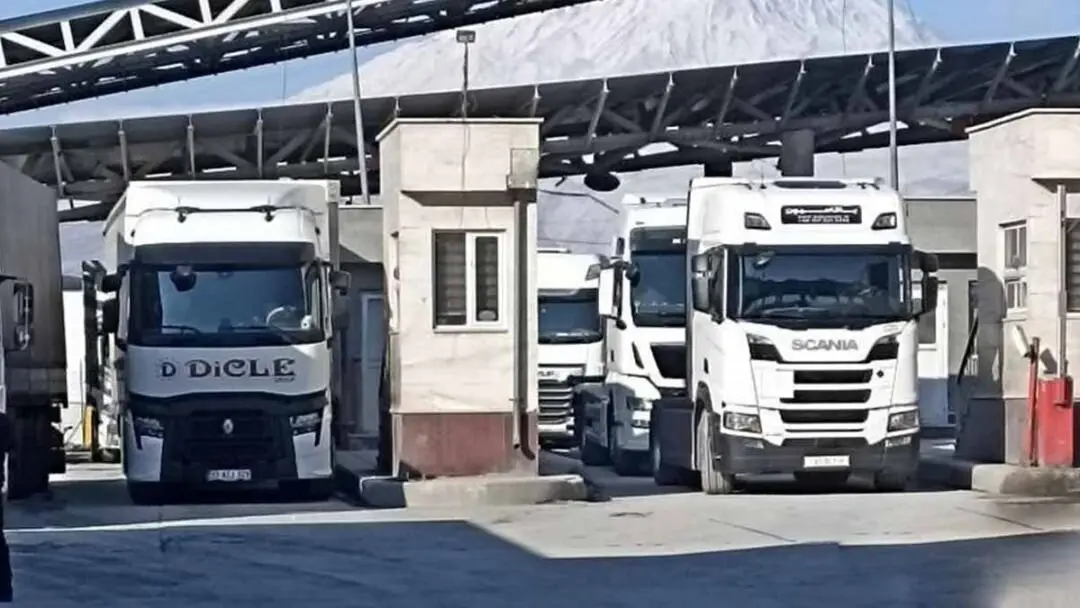
- passing through the Bazargan and Urmia borders to Turkey
- connecting to Europe via the Trabzon–Erzurum road
- suitable for imports from Turkey and Europe and exports destined for Turkey
See the comparison of the border routes in Urmia customs or Bazargan customs.
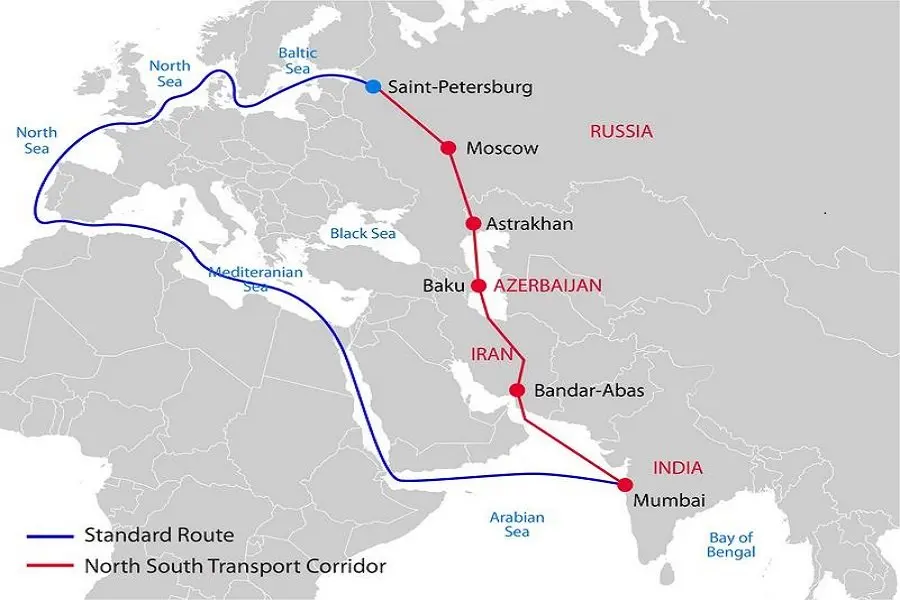
2. The North–South corridor (from the Persian Gulf to the Caspian Sea)
- connecting Iran’s southern ports to the northern borders
- a key role in transit between India and Russia
- a combination of sea, rail and road freight
3. The East–West corridor
- connecting Afghanistan and Central Asia to Europe through Iran
- an important position in the development of regional trade
The importance of land borders in freight
- The route closest to Europe: the Turkey route is the shortest land option in terms of time
- Expandable capacity: with investment, the land borders increase the clearance capacity
- Flexibility of freight: the possibility of carrying bulky goods and machinery that are not economical for air freight
Note: for the best use of the corridors, the timing of the movement and the choice of the border are vital; a stop at the border is a cost described in the hidden costs of clearance.
Challenges of the land corridors
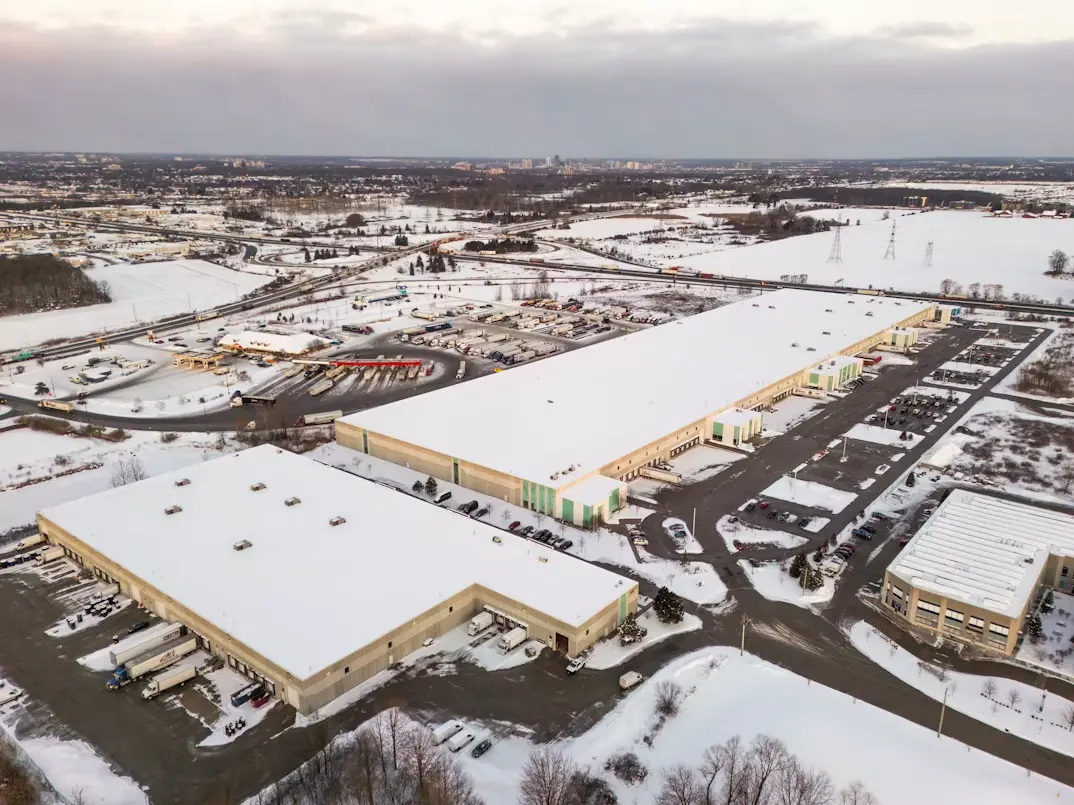
- Limited infrastructure capacity: congestion at peak hours
- International coordination: the difference between the border regulations of different countries
- Fluctuation of weather and political conditions: a risk to delivery time
- the cost of fuel and currency: a direct effect on the freight rate (the trend is in the 2026 freight rates)
Opportunities of road freight for traders
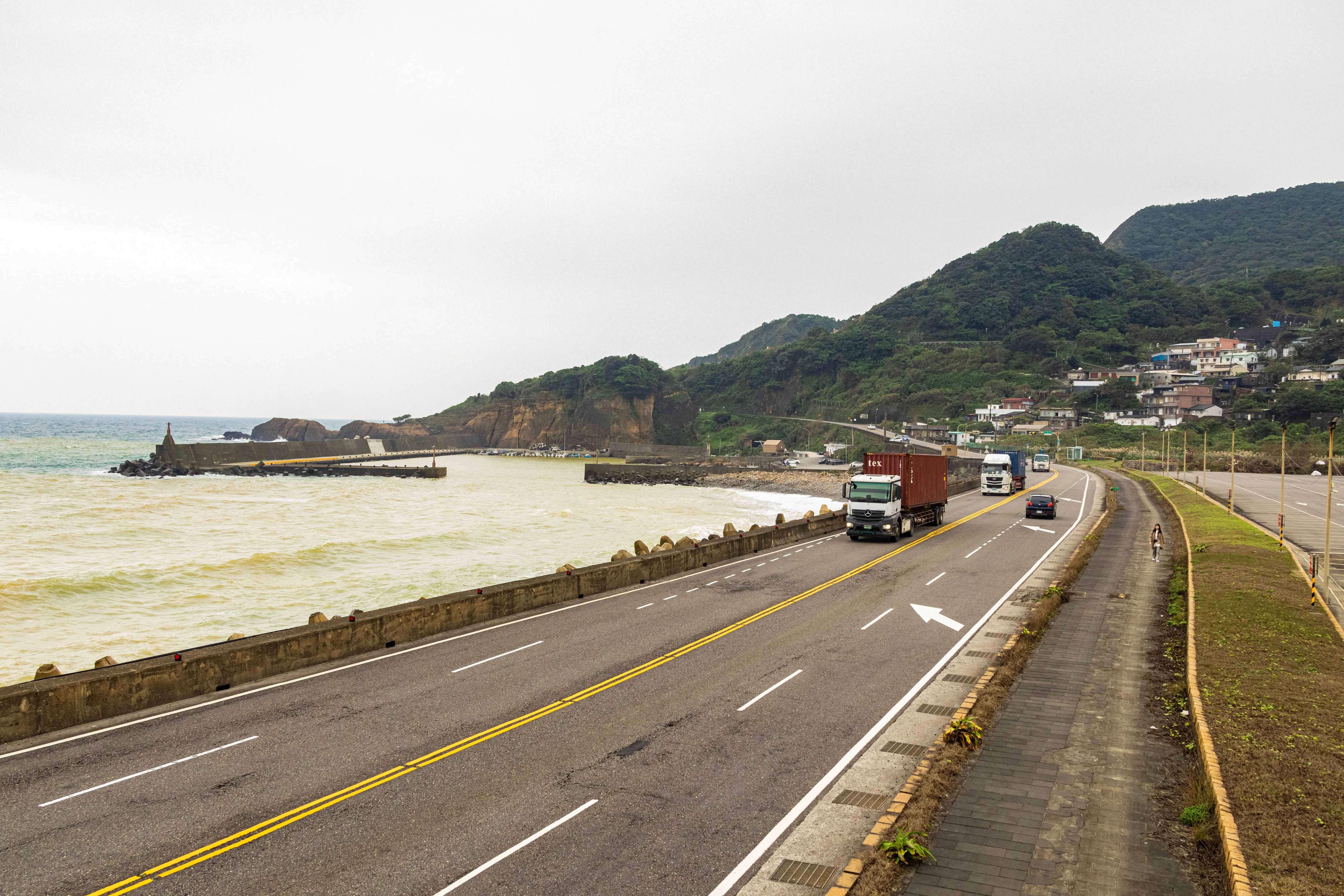
- Competitive cost: compared with air freight and even sea freight on short routes
- Volume flexibility: from less-than-truck for a small load to a full load
- A more predictable delivery time: with careful planning
Comparison table of Iran’s land corridors
| Corridor | Main route | Notable use |
|---|---|---|
| Turkey–Iran | Bazargan and Urmia | import/export with Turkey and Europe |
| North–South (INSTC) | southern ports as far as Astara | transit of India, Russia and CIS |
| East–West | Afghanistan and Central Asia to the west | development of regional trade |
FAQ
Which corridor is best for trade with Europe?
The Turkey route through the Bazargan border is the most common and most suitable land option for trade with Europe.
Is road freight faster than sea freight?
For routes near Turkey, yes; direct road freight is usually faster and more flexible than a sea-and-road combination.
What is the role of transit in the corridors?
To make the movement of the goods of third countries through Iran easier, which helps the country’s foreign currency income and the development of its logistics.
Summary
Iran’s transit corridors are a great geographical advantage for land trade. By knowing the routes, choosing the right border and weighing carefully, you can make the most of these trade arteries. The Vira Farabar Logistics team, with a complete knowledge of the borders and the corridors, designs the optimum route for your shipment.