
The road transit of goods through Iran’s land borders passed the 5-million-tonne mark in the first 4 months of last year. This figure shows the place of Iran on the map of the regional transit and brings opportunities and issues for the transport companies and the traders.
Executive summary: more than 5 million tonnes in 4 months; the western (Bazargan) and the northern (Astara) borders have the main share; the main advantage is the door-to-door flexibility and the challenge is the border queue and the fuel cost.
The key figures
Based on the published reports (August 2025):
- The volume of the transit: more than 5 million tonnes of goods in 4 months
- The vehicles: mainly the transit trucks from the land borders
- The routes: a combination of the western (Bazargan), the northern (Astara) and the southern borders
These figures show that the road transit is still the main pillar of the international land transport of Iran.
Why is the road transit important?
The advantages
- The flexibility: a door-to-door shipping without changing the vehicle
- Access to the markets missing the railway: many destinations in Turkey, Iraq and the CIS are only reachable by road
- A relatively short time: for the regional distances, competitive with the rail and the sea
The challenges
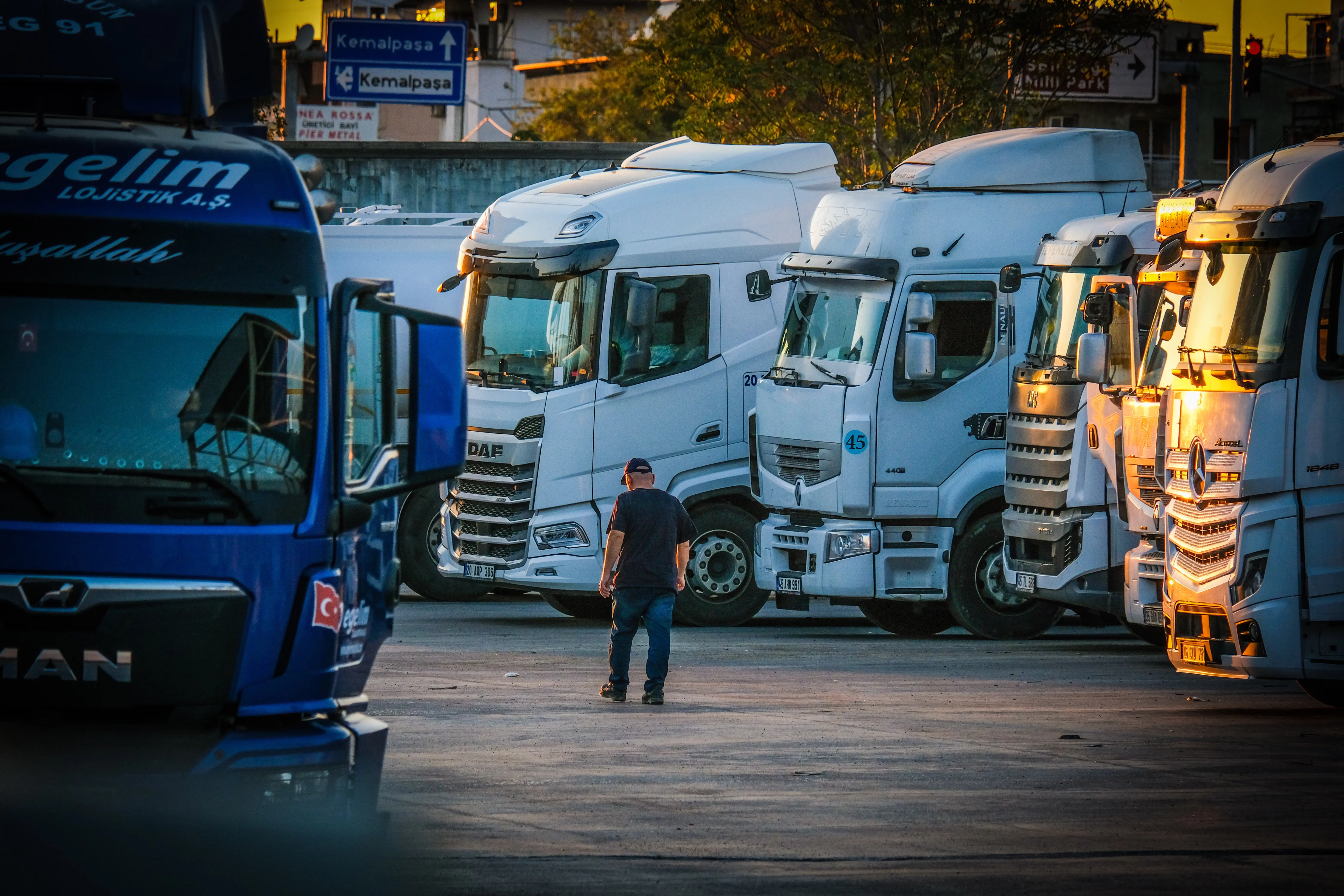
- The border capacity: the truck queue at the busy crossings such as Bazargan (the truck queue at Bazargan)
- The fuel and road costs: the fluctuation of the fuel price and the tolls (the effect of the fuel price on freight)
- Delay management: a delay at the border disrupts the delivery plan
The opportunities for the growth of the transit
- The development of the western borders: the cooperation of Iran and Turkey to increase the Bazargan capacity (the new Bazargan customs terminals)
- Strengthening the northern routes: the development of Astara and the North–South corridor (the Astara terminal)
- Using the middle corridor: the growth of the regional transit (the middle corridor record)
The practical notes for the transport operators
- Choose the route and the border smartly: based on the destination, the type of the goods and the state of the border (the comparison of Urmia customs and Bazargan customs)
- Complete the documents: a shortfall of the documents is the most common cause of the border stoppage (the documents needed for export)
- Calculate the landed cost: include the fuel price, the duties, the insurance and the border delay (the calculation of the landed cost)
- Work with a specialised forwarder: the moment-by-moment monitoring of the border is the key to avoiding a loss (the guide to choosing a forwarder)
FAQ
What is the volume of Iran’s road transit?
In the first 4 months of the year, more than 5 million tonnes of goods have passed through the land borders.
Which borders have the largest share?
The western (Bazargan) and the northern (Astara) borders have the main share of the road transit.
Why is the road transit popular?
Because of the door-to-door flexibility, the access to the markets without a railway and the relatively short time.
What is the biggest challenge of the road transit?
The truck queue at the borders and the fluctuation of the fuel and duty costs.
Summary
The passage of 5 million tonnes of goods through the land borders in 4 months is a sign of the high capacity of Iran’s road transit. By choosing a smart route, complete documents and a reliable logistics partner, you can get the most out of this capacity. Vira Farabar Logistics in Urmia is ready for the shipping and the transit from the western and the northern borders; contact us.