Iran–Turkey trade is one of the most voluminous overland trade flows of the region. Every year tariff policies, currency conditions and border infrastructure reshape this trade. In this article, instead of snapshot figures, we look at the trends and patterns that give you a clear picture of the 2026 outlook.
Executive summary: the 2026 opportunities are concentrated in machinery, auto parts, raw materials and agriculture; the main risk is currency fluctuation and tariff change, and continuous monitoring and a flexible contract will make the difference.
Key trends of the bilateral trade
Several main trends appear in Iran–Turkey trade:
- Growth of the machinery and parts sector: imports of industrial equipment and machinery take a larger share than consumer goods
- Development of agriculture and food trade: Iran’s agricultural exports and the import of food from Turkey are growing
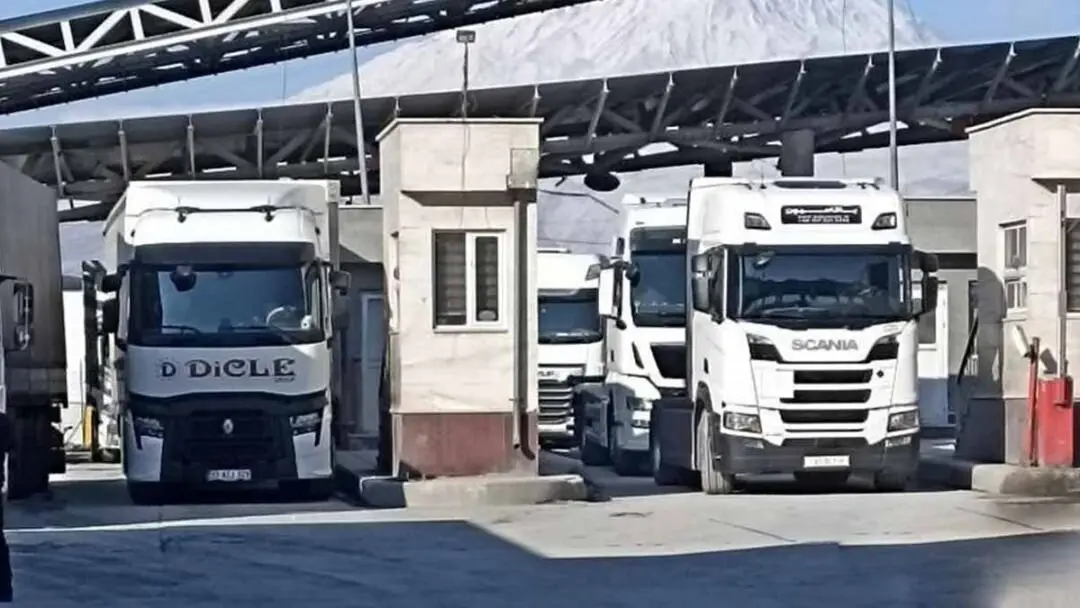
- Focus on overland routes: the Urmia and Bazargan borders remain the main transport artery (comparison in Urmia or Bazargan customs)
- Periodic tariff reviews: annual tariff changes directly affect planning
Opportunities in the growing sectors
The sectors with more opportunity in 2026:
- Auto parts and spare parts: sustainable demand and competitive price
- Industrial machinery and production lines: the need to modernize industries
- Packaging and plastics raw materials: supporting domestic production
- Branded Turkish consumer goods: relatively stable demand
Note: before entering any sector, check the HS Code situation and the goods permits; tariff changes can move a market in a single season.
Challenges ahead
- Currency rate fluctuation: exchange rate changes severely affect the final price and the profit margin
- Tariff and regulation changes: the annual regulation review requires constant monitoring; see the patterns in Iran–Turkey customs tariff changes
- Limited border capacity: queues and clearance delays occur in peak hours
- Logistics costs: the rising freight cost and the hidden costs of clearance put pressure on the margin
Practical advice for traders
- Keep the HS code up to date: follow the Harmonized System (HS) reviews
- Make the contracts flexible: define in the contract how to deal with a tariff and currency change
- Choose the route and the shipping time intelligently: avoid costly border queues
- Align with the logistics partner: an reliable forwarder monitors the market trends and the border changes
FAQ
Is Iran–Turkey trade growing in 2026?
The overall trend is toward growth of the industrial and agricultural sectors, but currency fluctuation and tariff policies can temporarily slow it.
Which goods are more profitable on this route?
Machinery, parts, raw materials and goods with sustainable demand usually have a better margin; with the landed cost calculation you can make a correct comparison.
How can I reduce the risk of a tariff change?
With pre-contract consultation, pricing flexibility and monitoring the periodic reviews. Details in the customs tariff changes.
Summary
The Iran–Turkey trade outlook for 2026 has clear opportunities for the trader who watches the tariff code, the regulations and the market trend on time. With flexible planning, the right route and a logistics partner, you can make the most of this heavily used trade route.