The Harmonized System, the worldwide basis of the HS tariff code, is revised periodically. The 2027 version of the Harmonized System is one of these planned revisions, which can change the scope of the classification of goods and therefore their duty rates and permits. In this article we examine the logic of these revisions and their effect on the trade of Iran and Turkey.
Why does the Harmonized System change every few years?
The Harmonized System is managed by the World Customs Organization (WCO) and is revised periodically (about every 5 to 6 years) so that it stays in line with the technologies, the new goods and the trade needs of the world. The main aim is to stay ahead of the goods that have not existed for years and to correct the structures that are no longer accurate.
What does the 2027 version usually change?
Although the customs organization of each country announces the final details and the exact version of the lines at the time of implementation, the periodic revisions usually cover these axes:
- Adding new codes for the emerging goods and technologies.
- Merging or removing old lines that no longer have a meaningful trade volume.
- Revising the descriptions of the goods to remove the ambiguity at the border between two similar codes.
- Aligning with new regulations in areas such as the environment, energy and technological products.
Note: a change at the level of the international HS (the first 6 digits) is not necessarily applied in the same form in every country; each country can set its national split separately (in Iran, 2 extra digits to reach the 8-digit code).
The effect on the trade of Iran and Turkey
For a trader who works with the Iran and Turkey route, an HS change means a possible change in:
- The duty rates and the import duty: a new code can carry a different rate and affect the CIF customs value.
- The required permits: moving a good between chapters can subject it to a new standard and health permit.
- The clearance file: the code registered in the previous declarations can become obsolete and need an update of the customs declaration.
How should traders prepare?
- Check the tariff code every year: before every consignment, check the state of the code in the official customs system instead of relying on the code of last year.
- Follow the differences: if your goods are on the verge of a change, follow the list of changes of the new version from the official sources.
- Include the implementation date in the consignment plan: a change in the state of a good in the middle of the clearance flow can change the duties and the permits.
- Stay with a customs consultant: a reliable freight forwarder monitors the tariff and classification changes and informs you sooner.
FAQ
Do all my goods change because of HS 2027?
No. The revisions are focused on a subset of goods; but even for this small category a check must be made.
Should the 8-digit code of Iran also be updated?
Yes. In addition to the international HS, Iran also reviews its national split every year in the book of export and import regulations; therefore check both the international level and the national level.
What happens if the code of my goods becomes obsolete?
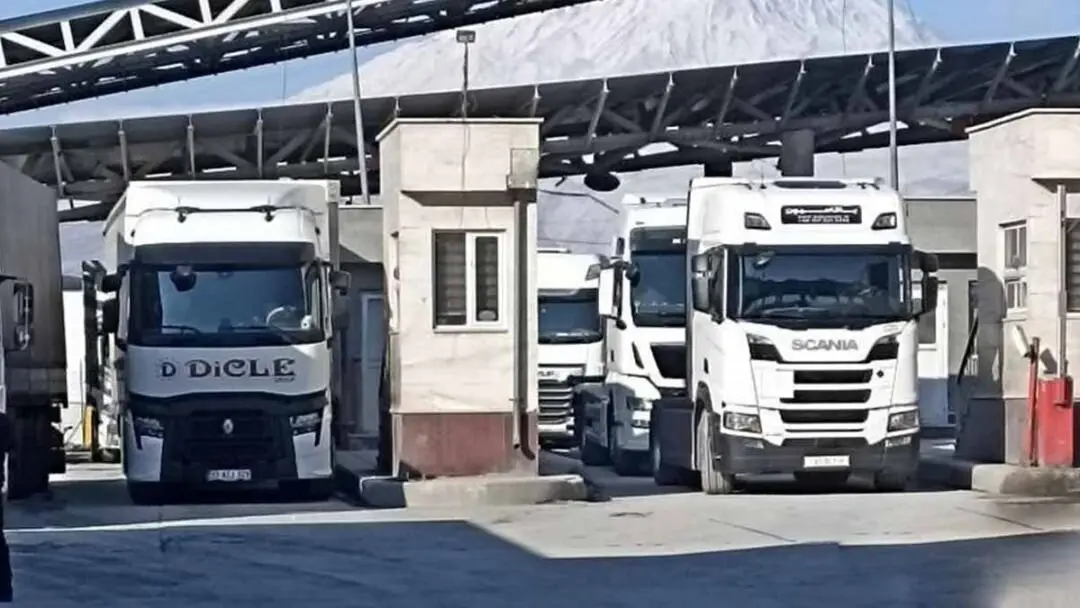
The declaration must be registered on the basis of the new code; otherwise the consignment is referred to an expert review and may create a stoppage and extra costs. In the clearance procedure from the Urmia border these stoppages are common.
Summary
The periodic revision of the Harmonized System is a natural part of the world of international trade, and the 2027 version is no exception. The successful trader is the one who keeps the tariff code up to date, monitors the changes and works with a logistics partner that offers a clear picture of the tariff and permit situation before the shipment. The Vira Farabar Logistics team monitors and checks the classification and tariff changes of your goods.