Customs tariffs on the Iran–Turkey borders are constantly changing and these changes directly affect the landed cost of the goods, the profit margin of traders and the flow of bilateral trade. In this article, instead of dealing with one-off figures that quickly become outdated, we examine the patterns and mechanisms that make any tariff change analysable.
How is the customs tariff determined and changed?
Iran’s import and export tariffs are determined on the basis of each good’s tariff code (HS Code) and the chapters of the Export and Import Regulations book. If you are not familiar with the structure and importance of this code, read the article What is an HS Code. Tariff changes usually occur through these routes:
- The annual revision of the export and import regulations: every year some goods are moved, liberalized or made subject to a new restriction.
- Decisions of trade-related bodies: to manage the market, support domestic production or control imports.
- Agreements and economic conditions: exchange-rate fluctuation, inflation and foreign-exchange policies affect the level of the duties.
Recurring patterns in tariff changes
Experience has shown that tariff changes in this corridor usually follow these patterns:
- The tariff of goods with domestic production often increases to support production.
- Intermediate goods and raw materials usually face a lower tariff to reduce the production cost.
- Luxury and non-essential goods become subject to heavier duties more than the rest.
- Announced changes usually have a short implementation deadline, and a trader who knows in advance has an advantage.
How should traders prepare themselves?
A tariff change can transform the profit of a shipment in the short term. To reduce the risk, follow these points:
- Always keep the tariff code of the goods up to date: the smallest error in the HS Code may lead to a different duty.
- Check the tariff status before concluding the contract: an official inquiry from customs gives an up-to-date picture of the state of the goods.
- Work with a customs consultant: clearance specialists monitor the tariff changes and inform you earlier.
- Set the contracts with pricing flexibility: in long-term contracts, clarifying how tariff changes are handled prevents disputes.
Also keep in mind that the tariff rate is applied on the customs value (CIF); understanding this basis of calculation makes it possible to predict the effect of any tariff change.
The effect on Iran–Turkey trade
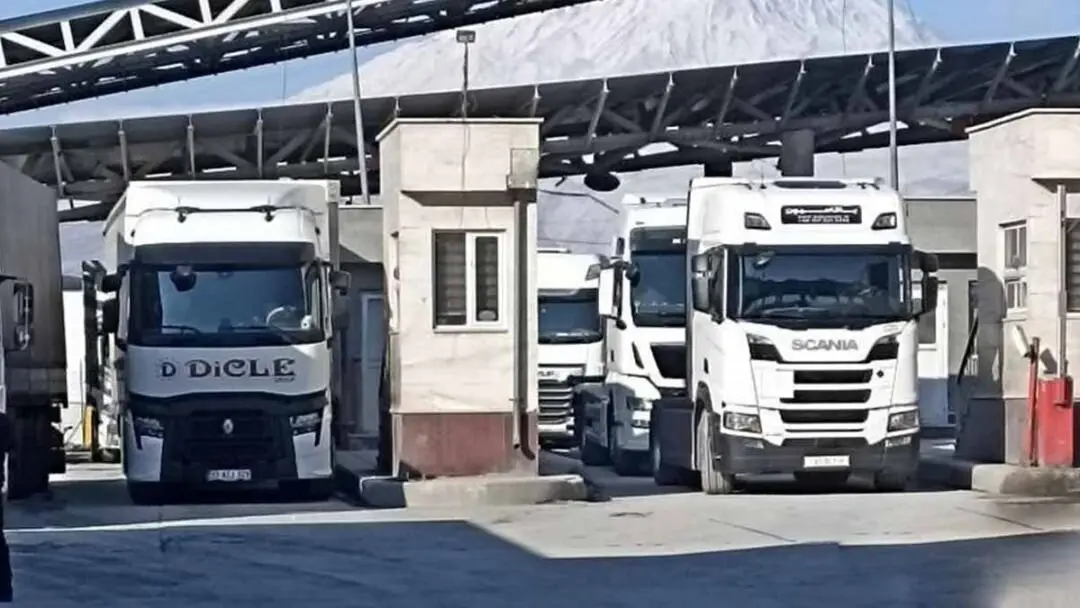
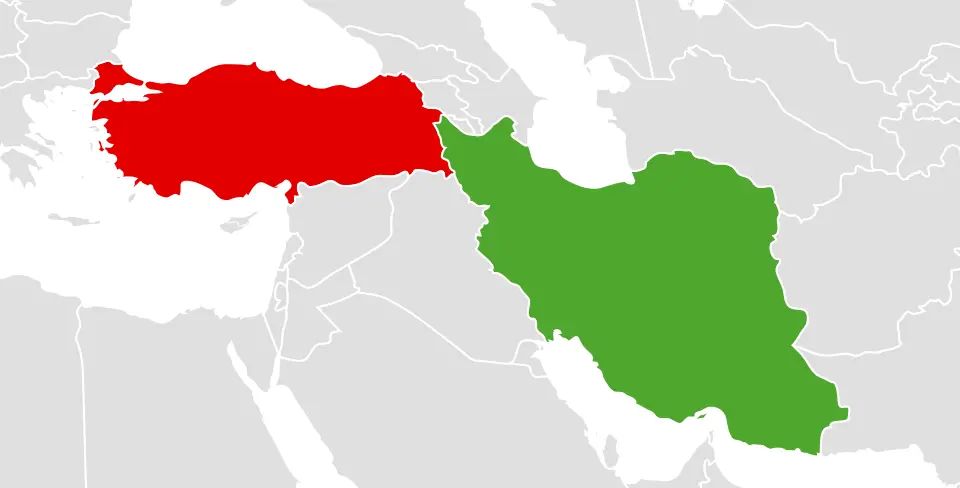
The land borders of Iran and Turkey are one of the busiest trade corridors in the region and the choice of border (Urmia or Bazargan) affects the clearance time. Any change in the tariff affects the supply chain from the producer to the consumer; for this reason, analysing the tariff trend is a permanent necessity for any trader working with this route.
FAQ
Does a tariff change always mean an increase in duties?
No; sometimes for supporting production, controlling the market or developing trade, the tariff of some goods is reduced or exempted; the pattern depends on the type of goods.
How can I learn about a tariff change earlier than others?
By monitoring the export and import regulations book in the annual revision, making an official inquiry from customs and accompanying a reliable freight forwarder that follows these changes.
Does a tariff change also apply to the shipments being cleared?
It depends on the implementation date; usually declarations registered before implementation are calculated with the old rate, but you must always inquire from customs.
What is the effect of a tariff change on the landed cost?
The tariff rate is applied on the customs value (CIF) and any change alters the landed cost and the profit margin of the shipment.
Summary
Customs tariff changes on the Iran–Turkey border are inevitable and cyclical. A successful trader is one who monitors these changes, knows the right tariff code and works with a logistics partner that provides a clear picture of the costs before the shipment moves. The Vira Farabar Logistics experts are ready for tariff inquiries and planning your shipments.