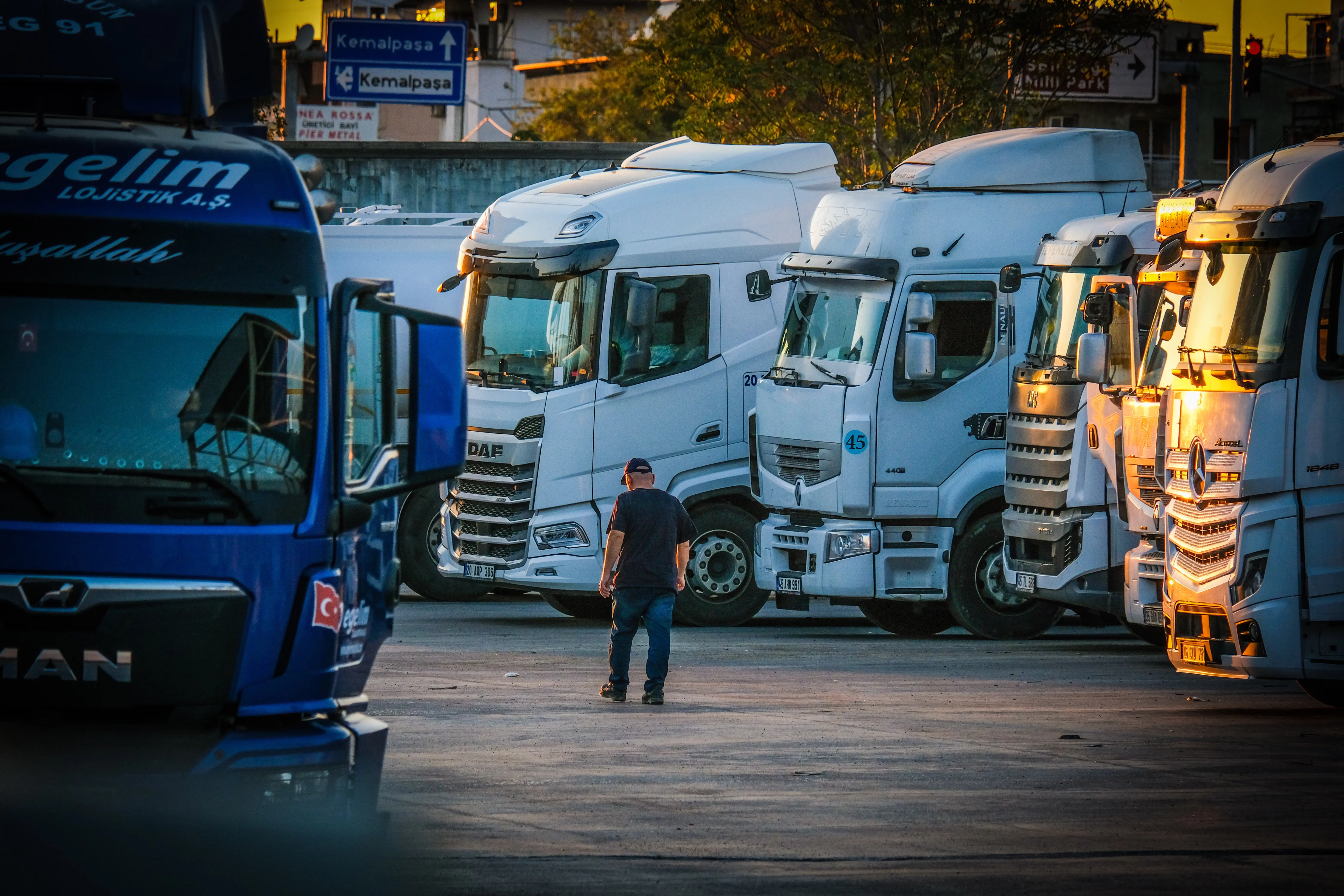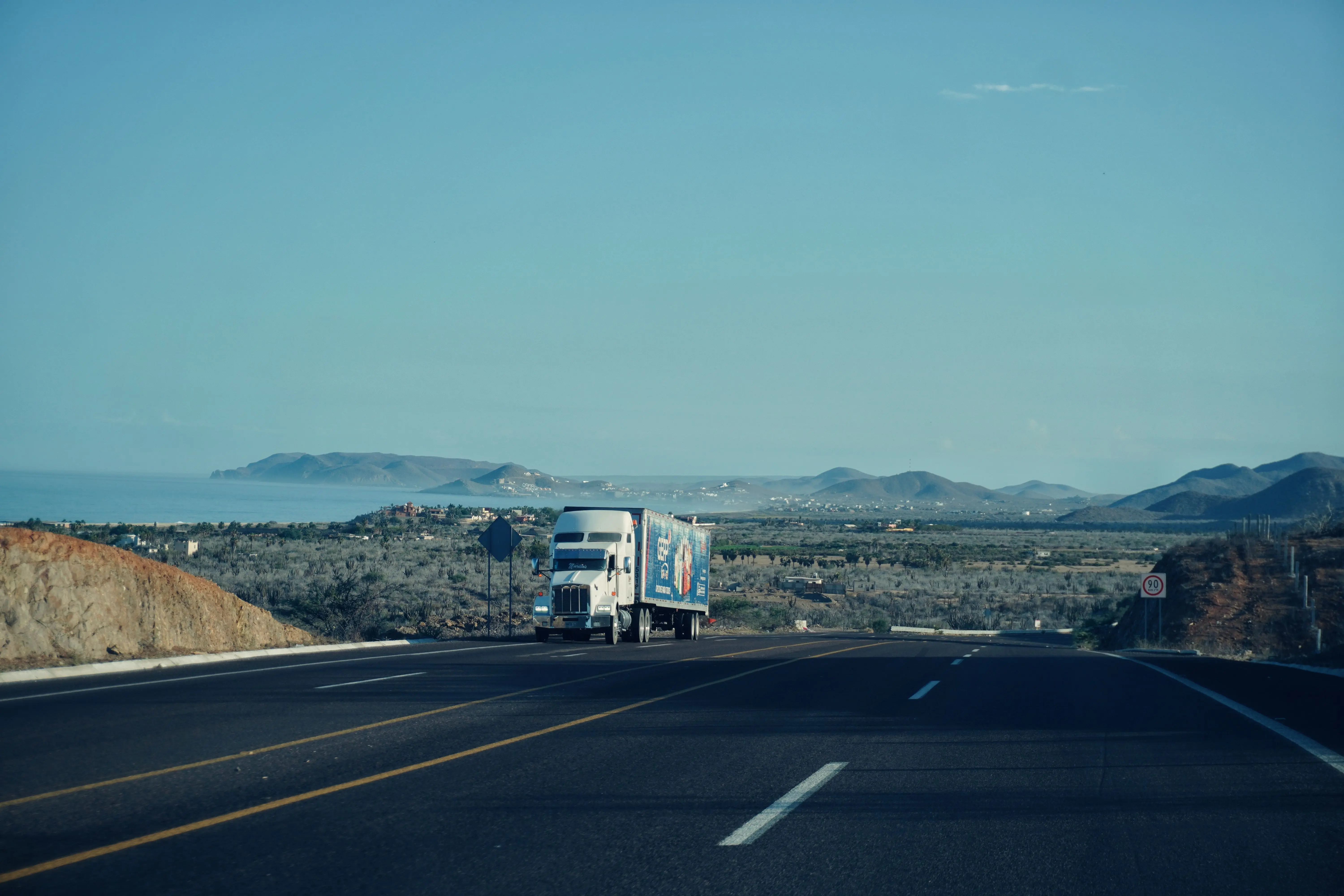

The Astara border between Iran and the Republic of Azerbaijan is becoming one of the main axes of the North–South corridor. Iranian officials have announced that this terminal is being prepared for the passage of 350 to 400 trucks a day; a figure that seriously raises the role of Astara in regional transit.
New capacity of the Astara border
According to the Tehran Times (Tir 1405 / June 2026), the development plan of the Astara border has targeted a daily transit capacity of 350 to 400 trucks. This increase in capacity includes:
- Development of the terminal infrastructure: the yard, the weighbridge and the entry and exit lanes
- Customs coordination: facilitating the clearance processes between Iran and Azerbaijan
- Rail connection: proximity to the railway and coordination with the Astara rail capacity
Why does Astara matter?
Astara is the main gateway for the entry of goods from the north (Azerbaijan, Russia and the CIS) into Iran and the connection to the southern ports. With the completion of the Rasht–Astara railway, the role of this border as a combined road–rail hub will multiply (see the Rasht–Astara railway and Iran’s transit role).
Comparison of Astara with Bazargan
| Criterion | Astara border (northern) | Bazargan border (western) |
|---|---|---|
| Main destination | Azerbaijan, Russia, CIS | Turkey and Europe |
| Supplementary route | rail + road | road (rail in future) |
| Target capacity | 350 to 400 trucks a day | around 500 trucks a day (Iran’s capacity) |
| Typical goods | building materials, petrochemicals, containers | parts, machinery, consumer goods |
Trade opportunities for traders
- Transit of goods to the CIS and Russia: a shorter route compared with the alternative routes
- Combined road–rail transport: loading at a destination near the rail, reducing the freight cost
- The Azerbaijan market: in line with the recent transport agreements between Iran and Azerbaijan (Iran–Azerbaijan transport agreements)
Warning: the target capacity of 350 to 400 trucks a day does not mean the real daily transit; the operational capacity depends on the customs coordination of the two sides. Before loading, inquire about the operational situation of the border from your logistics partner.
Practical tips
- Prepare the documents for both countries: examine the differences in the customs regulations of Iran and Azerbaijan in advance (documents needed for export).
- Calculate the landed cost: the new capacity does not mean a lower cost; compare the total cost with the other routes (calculating the landed cost).
- Stay coordinated with a forwarder: monitor the daily capacity and the real situation of the border through your logistics partner (guide to choosing a forwarder).
FAQ
What is the target capacity of the Astara border?
Between 350 and 400 trucks a day.
Which destinations is Astara connected to?
Through Azerbaijan to Russia, the Caucasus and the CIS countries, and through the rail to the southern ports of Iran.
What is the difference between Astara and Bazargan?
Astara is the northern gateway (CIS and Russia) and Bazargan is the western gateway (Turkey and Europe).
Can I ship my goods from Astara by combined transport?
Yes; with the development of the rail and road capacity, combined transport at this border is expanding.
Summary
The 350 to 400-truck capacity of the Astara border turns this crossing into a serious artery of North–South transit. A trader looking for the CIS and Russian market should consider this route as a strategic option. Vira Farabar Logistics in Urmia is ready to provide transport and clearance services on the northern and western routes; contact us.