The Shalamcheh border between Iran and Iraq was temporarily closed on 4 April 2026 and reopened the next day (5 April). This short but tense disruption is a reminder of the importance of the risk management in trade with Iraq; a market that sometimes faces sudden disruptions because of the security and political developments.
Executive summary: Shalamcheh was closed on 4 April 2026 and reopened on 5 April; trade with Iraq requires the diversity of the routes, the monitoring of the news, a force-majeure clause in the contract and complete insurance.
What happened?
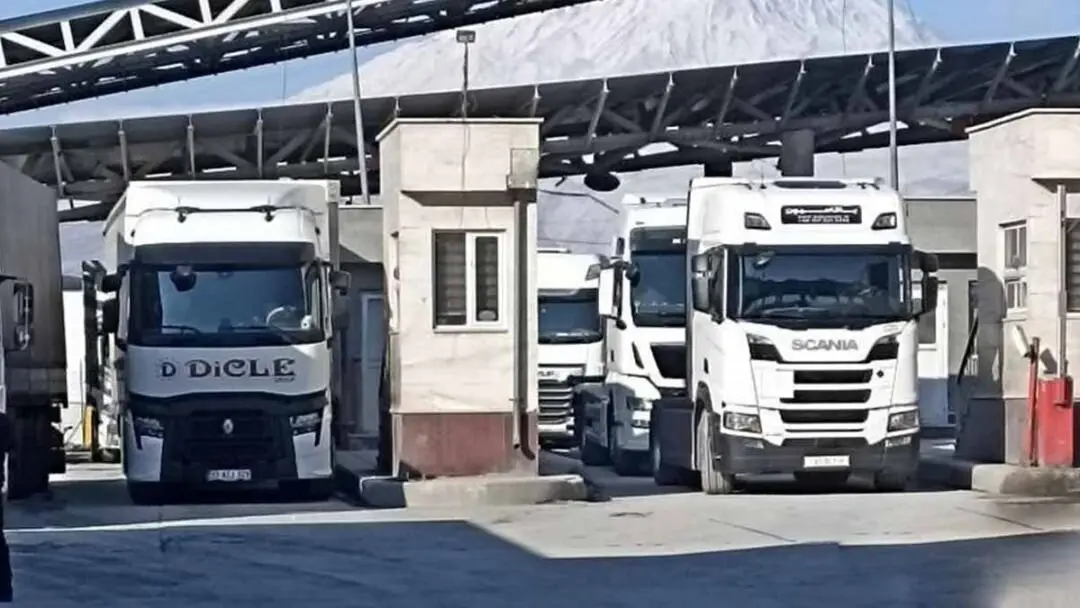
According to the reports of the international news agencies (Reuters and Al Arabiya, early April 2026), the Shalamcheh border crossing was temporarily closed on 4 April and the crossing resumed the next day. Although the disruption was short, it created a delay for the consignments that were in the queue at that moment.
Why is Shalamcheh important?
Shalamcheh is one of the main exits of Iran’s export to Iraq and a significant part of the Iranian goods (including the building materials, the foodstuffs and the home appliances) reaches the Iraqi market through this border. Any disruption in it affects the supply chain of the Iraqi market directly.
Effect of the disruption on the exporters
- A delay in the delivery: the goods in the queue fall behind by days
- Extra costs: warehousing, the stoppage of the truck and the increase of the insurance cost
- A contractual risk: the penalty for the delay and the loss of the buyer’s trust
Lessons for the trade with Iraq
1) Plan for the disruption
include the clause “extra time for the force-majeure conditions” in the sales contracts to Iraq (the key clauses in the trade contracts).
2) A diversity of the routes
Iraq has several border crossings with Iran; in case of a disruption in one border, an alternative route can guarantee the continuation of the delivery. Knowing the border crossings is a part of the necessary knowledge (Iran’s transit corridors).
3) Monitoring of the news and the warnings
The logistics companies active on the Iraq route monitor the border conditions in real time; stay in contact with them (how to choose a forwarder).
4) Complete insurance
Take out an insurance that covers the border disruptions and the delays caused by them (the freight insurance guide).
FAQ
When was the Shalamcheh border closed?
On 4 April 2026 and reopened on 5 April.
Why was this disruption important?
Because Shalamcheh is one of the main crossings of the export to Iraq and its disruption puts the supply chain under pressure.
Are such disruptions predictable?
Not completely, but its effect can be managed with the monitoring of the news and the help of the logistics partner.
What should I do to reduce the risk?
Consider the appropriate contractual clauses, the diversity of the routes and the complete insurance.
Summary
The disruption of the Shalamcheh border in April 2026 was short, but it created delays and the cost for the consignments on the way. The successful trade with Iraq requires planning for the unforeseen conditions. The Vira Farabar Logistics in Urmia, knowing the export routes of Iraq, is the reliable partner of your business; contact us.